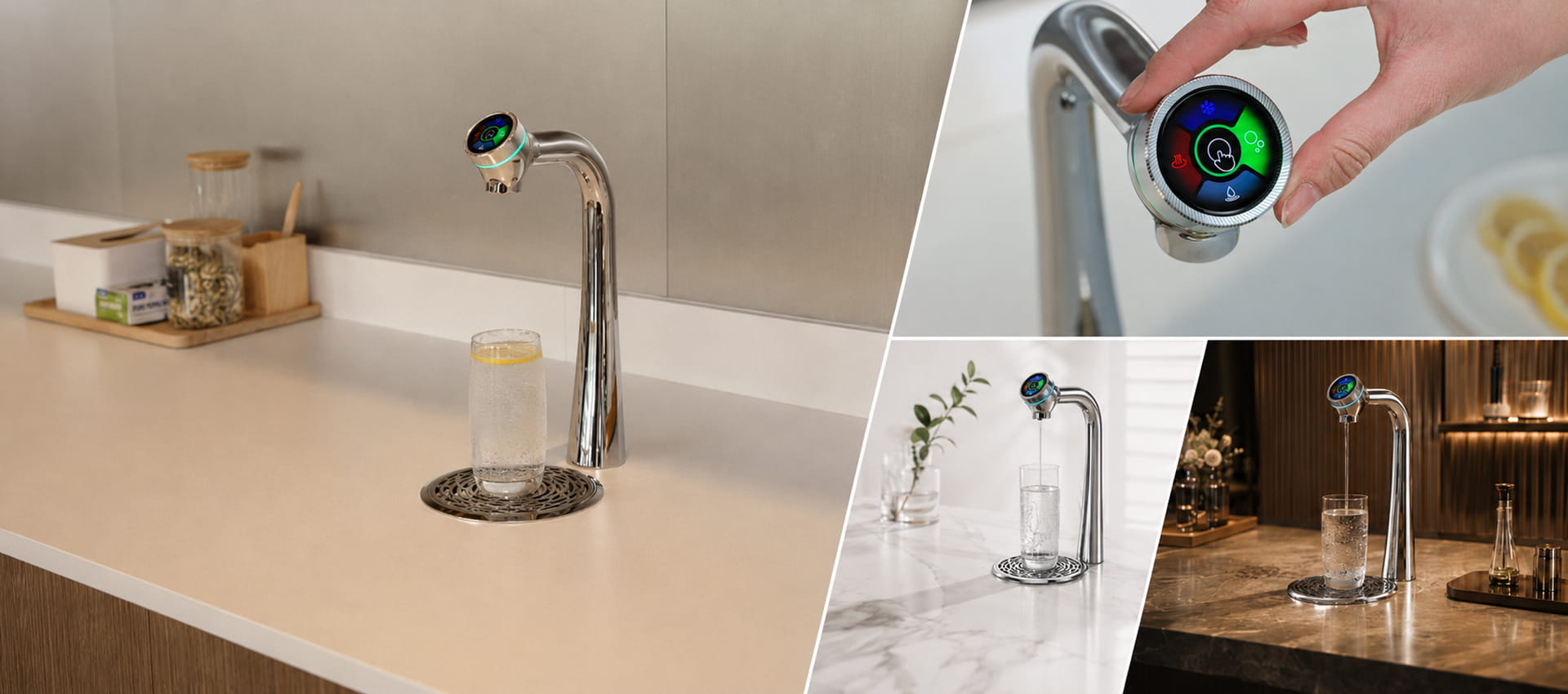
One Water System for Commercial & Home Use
Designed for Performance
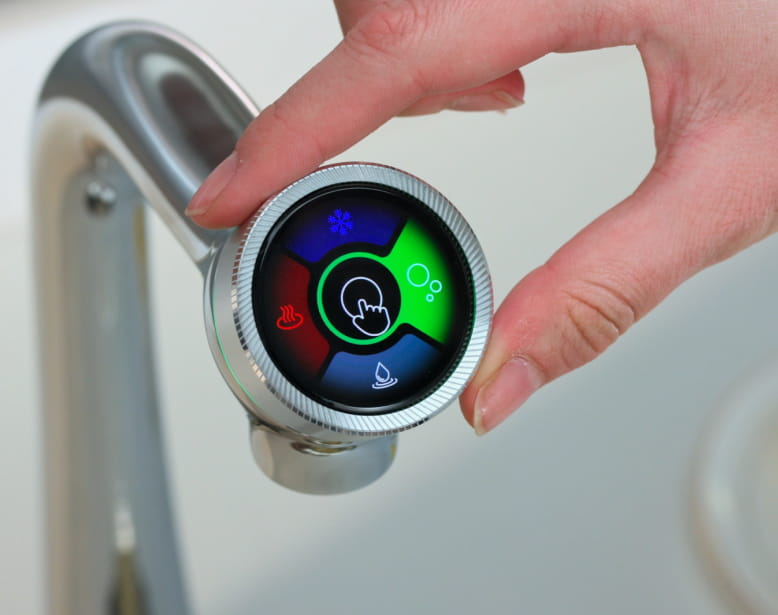

Four Water Modes. One Intelligent System.

Sparkling Water
40 L/h = 200 cups/h (200 ml/cup)
3g/L Sparkling Water Concentration (Best-in-class Taste)
3g/L Sparkling Water Concentration (Best-in-class Taste)

Chilled Water
40 L/h = 200 cups/h (200 ml/cup)
0°C–8°C (Adjustable temperature range)
0°C–8°C (Adjustable temperature range)

Hot Water
20 L/h = 133 cups/h (150 ml/cup)
Single-serving output (≈ 5 L at 95°C+)
45°C–98°C (Adjustable temperature range)
Single-serving output (≈ 5 L at 95°C+)
45°C–98°C (Adjustable temperature range)

Ambient Water
Room Temperature
Applications
Markets We Serve
Engineered for commercial performance and designed for modern living environments.

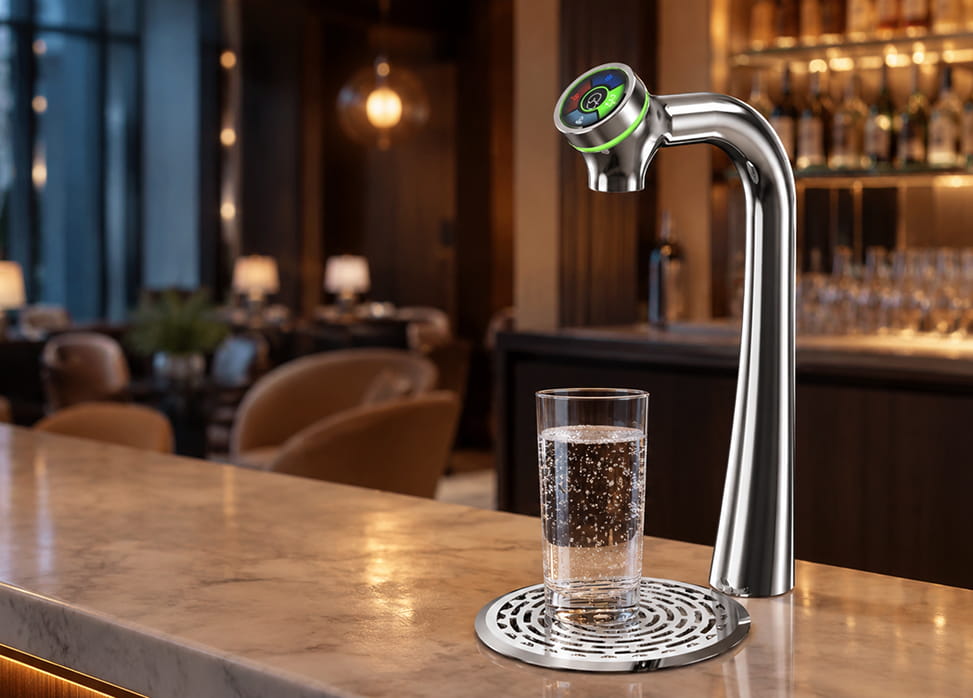
Trusted by Global Hospitality Groups
View Case Study

Reimagining Hotel Water Experience –InterContinental Hotels Group Case Study
Top-tier hospitality brands such as famous brand Hotel Group rely on advanced in-room and back-of-house water systems to reduce operational cost, eliminate single-use plastic bottles, and elevate guest hydration experience with measurable sustainability outcomes.

223,000
+
bottles eliminated annually
Across hotel operations

61,965
kgs
CO₂ reduced annually
Through sustainable hydration systems

62
%
ROI improvement within 5 years
Operational return increase
Choose Your System
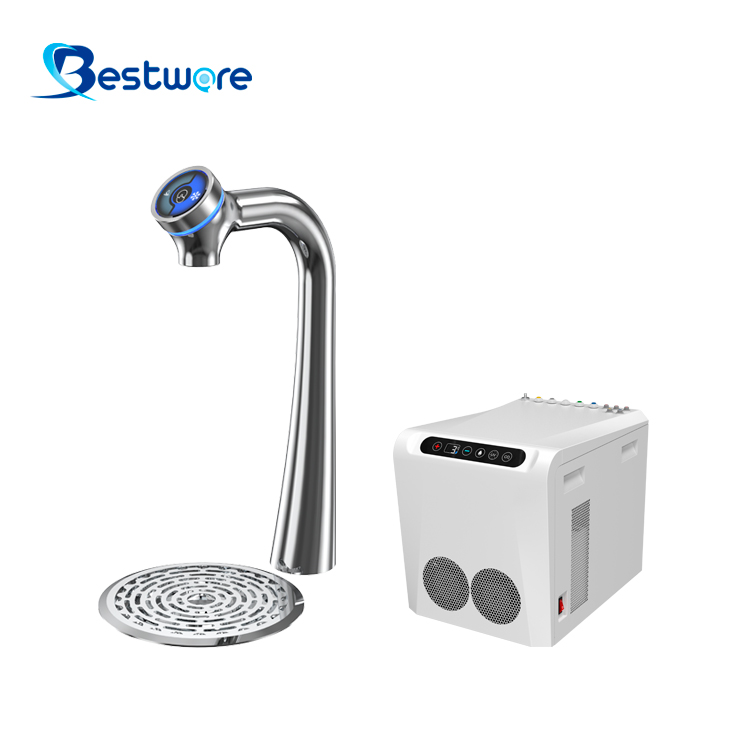
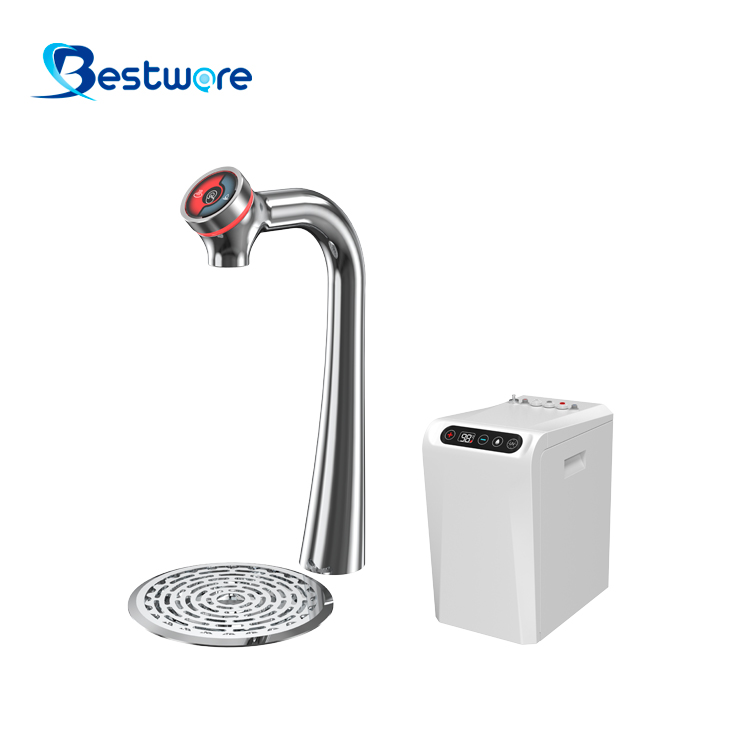
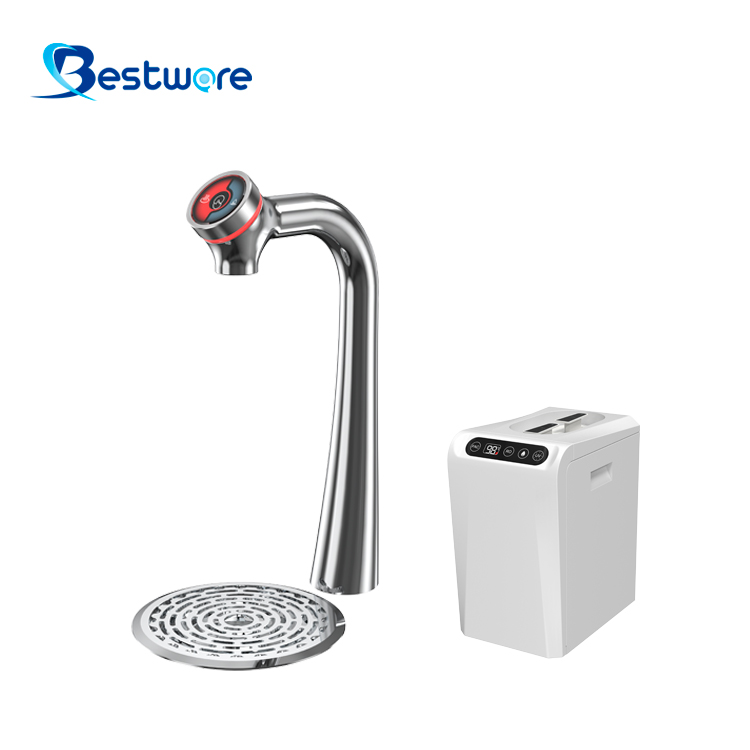
Select the Right Unit for Your Space
Why Choose Us
Why Bestware
Precision Water. Proven Performance. Trusted Worldwide.
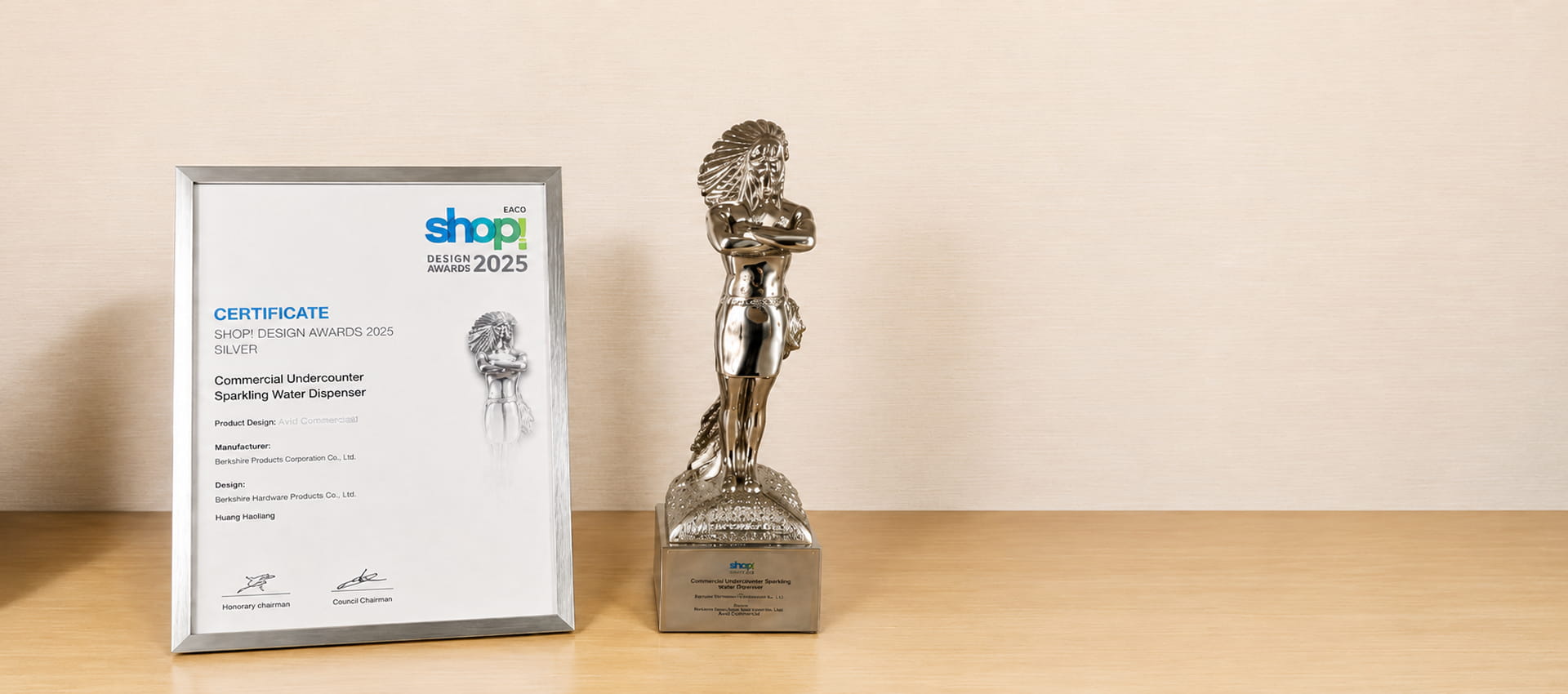
2025 SHOP!
Design Awards Silver
Bestware Commercial Sparkling Water Dispenser Earns Recognition for Innovative Design
Latest Updates
Insights / News